
Glaucoma is a complex group of eye conditions that are generally characterized by progressive damage to the optic nerve, a critical component of our visual system.
The optic nerve plays an essential role in transmitting visual signals from the retina (the light-sensitive layer at the back of the eye) to the brain, where these signals are interpreted as the images we see. One of the most common causes of glaucoma is increased pressure within the eye, also known as intraocular pressure (IOP). Although it can also occur even with normal pressure levels.
The insidious nature of glaucoma often leads to its designation as the “silent thief of sight.” It usually develops without noticeable symptoms, allowing it to progress unnoticed until significant damage has been done. Many individuals may not realize they have glaucoma until they experience substantial vision loss. This highlights the importance of regular eye examinations with your local optometrist in Canberra, as timely detection can make a crucial difference in treatment and prognosis.
Understanding Glaucoma
Glaucoma can manifest in various forms, with primary open-angle glaucoma and angle-closure glaucoma being the most prevalent types. Primary open-angle glaucoma, the most common form, typically develops gradually and may not present any symptoms until the optic nerve has undergone significant damage. On the other hand, angle-closure glaucoma can occur suddenly and is often associated with acute symptoms such as severe eye pain, headache, nausea, vomiting, and the rapid onset of blurred vision.
In the early stages of glaucoma, individuals may not be aware of any changes to their vision. However, as the condition progresses, some common symptoms may emerge:
- Gradual Loss of Peripheral Vision: This loss often goes unnoticed initially, making it difficult for individuals to realize their vision is changing.
- Blurred Vision: As the condition advances, blurred or hazy vision may become more frequent and noticeable.
- Halos Around Lights: Many people with glaucoma report seeing halos around light sources, especially at night.
- Symptoms in Angle-Closure Glaucoma: In cases of acute angle-closure glaucoma, individuals may experience severe headaches, nausea, vomiting, and a sudden decrease in vision.
Risk Factors for Glaucoma
Several factors can increase an individual’s risk of developing glaucoma. Age is one of the most significant risk factors; the likelihood of developing the disease increases as individuals age, particularly after the age of 60.
Family history plays an important role as well. If a close family member has been diagnosed with glaucoma, it raises the risk for other family members.
Certain medical conditions can also contribute to your risk level:
- Diabetes: Individuals with diabetes are at a higher risk for developing glaucoma, particularly if the condition is poorly managed.
- High Blood Pressure: Elevated blood pressure can affect blood flow to the optic nerve and may contribute to the degeneration seen in glaucoma.
- Cardiovascular Disease: Heart-related issues can also impede blood flow to the eyes, increasing the risk of optic nerve damage.
- Intraocular Pressure: Having elevated pressure within the eyes is one of the most significant risk factors, though it is important to note that not everyone with high IOP will develop glaucoma.
The Importance of Regular Eye Exams
Given the potential consequences of untreated glaucoma, permanent vision loss and impairment, regular eye exams are vital for early detection and management.
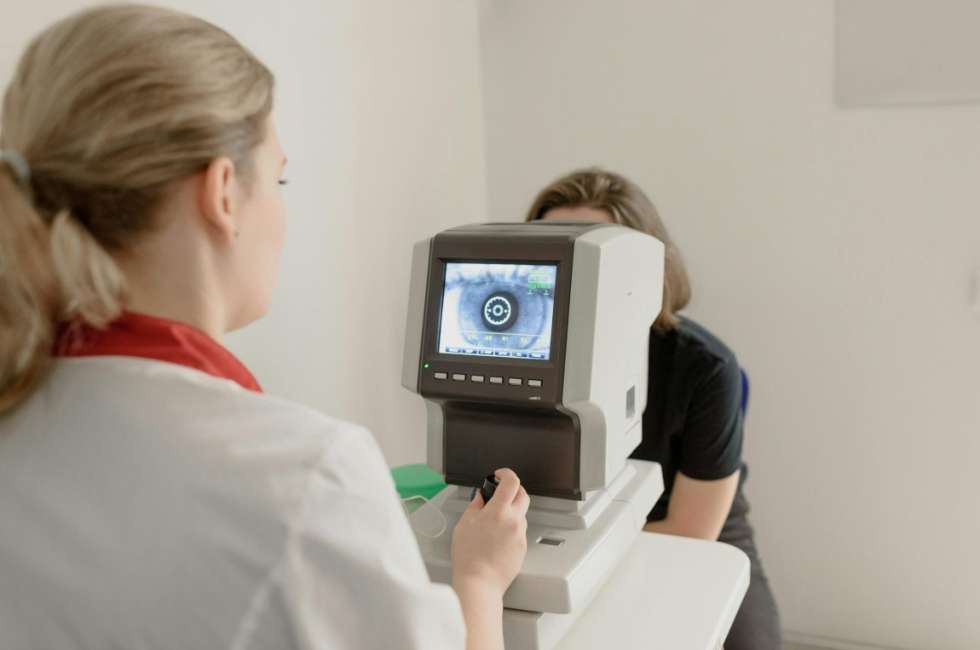
During a comprehensive eye exam, your optometrist in Canberra will utilise a combination of tests to identify any early signs of glaucoma:
- Measuring Eye Pressure: This is often done using a tonometer, which measures the pressure inside your eye.
- Assessing the Optic Nerve: Your optometrist in Canberra will visually inspect the optic nerve for any signs of damage or deterioration.
- Retinal Imaging: Advanced imaging techniques can capture detailed images of the retina and optic nerve to detect any subtle changes.
- Checking Peripheral Vision: A visual field test may be conducted to assess your side vision and determine if there are any blind spots.
- Examining the Drainage Angle: The drainage angle of the eye is assessed to determine how well fluid is draining from the eye, which can be crucial for diagnosing the type of glaucoma.
- Measuring Corneal Thickness: Thin corneas can be a risk factor for glaucoma, and measuring corneal thickness can help your optometrist in Canberra understand your risk better.
Treatment Options for Glaucoma
If glaucoma is diagnosed, the primary goal of treatment is to lower intraocular pressure to prevent further damage to the optic nerve.
Treatment options can vary based on the type and severity of glaucoma but often include:
- Prescription Eye Drops: These are typically the first line of defense against elevated IOP and work by reducing fluid production in the eye or helping fluid drain more effectively.
- Oral Medications: In some cases, oral medications may be prescribed in addition to eye drops to further reduce intraocular pressure.
- Laser Treatments: Procedures such as laser trabeculoplasty can enhance the drainage of fluid from the eye, lowering IOP.
- Surgery: In advanced cases, surgical intervention may be necessary to create a new drainage pathway for fluid or to reduce fluid production.
The Bottom Line
Glaucoma is a serious condition that can lead to irreversible vision loss if left untreated. The subtle nature of its progression necessitates periodic eye examinations to catch any changes early on. By staying proactive about your eye health and attending regular check-ups with your optometrist in Canberra, you can increase the chances of early detection and effective management of glaucoma.
If you’ve been putting off scheduling an eye exam, consider doing so. It might just protect your sight for years to come. Staying informed about your eye health is not just important for detecting glaucoma, but also for ensuring your overall well-being. Remember, vision is invaluable; taking steps to preserve it through regular care is a wise investment in your future. So, reach out to your local optometrist in Canberra and make an appointment today!